The switch flipped at 11
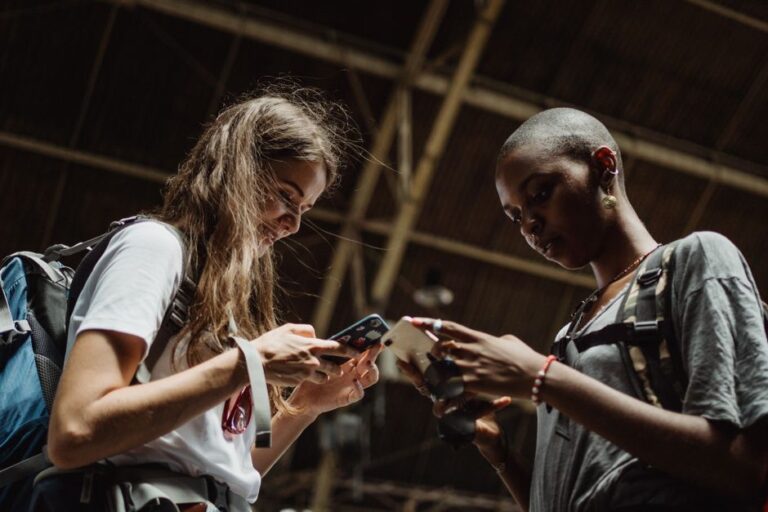
You’re holding a flipbook life: paper pages of an offline childhood, then a hard cut to tabs and timelines. Mine snapped to full internet when I was 11 and got a computer; from there, it was online games and—let’s be honest—being mostly chronically online.
I think my my life changed all together around when I was 11 years old as I got my first computer and started playing online games ever since I got mostly chronically online
Here’s what this piece offers that the usual “born online vs born offline” thinkpiece doesn’t: specific trade-offs noticed by someone raised right on the hinge year, 1993. Not a nostalgia dump, not a panic about phones—just practical notes from the middle seat between LAN parties and TikTok.
What you miss when you skip an offline childhood
I don’t buy the idea that growing up online automatically makes life easier. There are small, gritty, unglamorous lessons you get when you spend afternoons outside that no feed can simulate:
- Neighborhood osmosis. Loitering by a curb teaches you unstructured social timing—how to read boredom, excitement, and when to change the game. It wasn’t content; it was context.
- Risk calibration. Climbing a tree and getting scraped is a simple feedback loop about limits, bodies, and consequences—all at human speed. You don’t get a “Are you sure?” popup when you slip from a branch.
- Face-to-face tact. In-person silence isn’t awkward by default. You learn that attention is a gift, not a metric, and you can’t swipe away a bad mood; you negotiate it.
From where I stand—raised offline, living online—those are muscles, not metaphors. When they’re undertrained, people lean harder on the script of the internet. And yes, that can look like overreacting or sounding “too online” for real-world tempo.
Gen Z vs millennials: easier or just different?
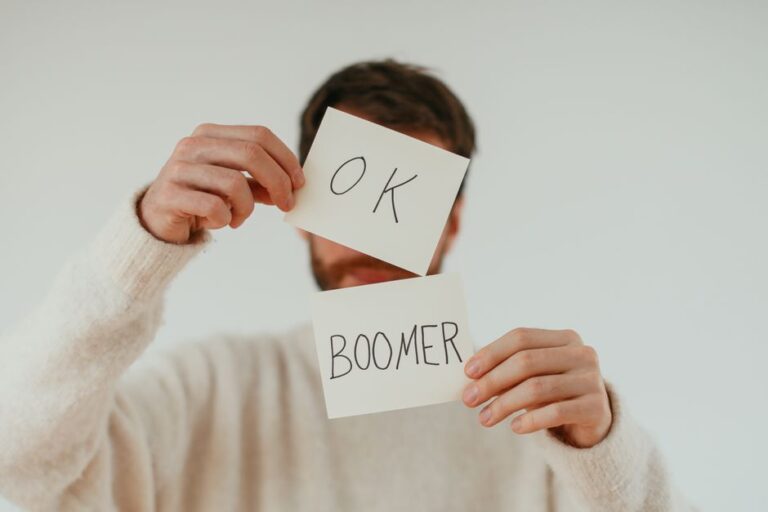
This site’s position is blunt: newer generations depend too much on the internet and have less real-world experience; older ones carry more social tact; and the cohort that lived the before and after of the web is the best prepared. I align with the last point—being fluent in both analog and digital is an advantage.
But two checks are important:
- Not all “born online” means the same thing. Geography, family rules, and school culture vary wildly. Some kids grew up on dial-up with a library card; others had fiber and Fortnite. Lumping them together hides meaningful nuance.
- Evidence for destiny is thin. One study from the University of Colorado Boulder found only a weak relationship between early tech use and later tech use, suggesting that early screen exposure doesn’t lock people into a single path. As they put it: “We found that there is only a weak relationship between early technology use and later technology use, and what we do as parents matters less than most of us believe it will.” Source
So when someone says Gen Z “has it easier,” I think: easier at what? Discovering a niche community? Probably. Reading a room without context clues? Often harder. It depends on the task, the space, and the speed required. Online life rewards performative clarity; offline life rewards embodied patience.
Clashes at work I didn’t have (and what that means)
People love a spicy war story: “1993 dev vs Gen Z colleague, meetingroom mayhem.” I don’t have one. I’m pretty adaptive around younger folks and haven’t had a concrete conflict tied to age. That’s not because generations are identical; it’s because small norms prevent big blowups.
Common friction points to watch for (without inventing drama)
- Asynchronous vs instant. Some prefer chat pings and rapid loops; others want a clear brief and space to execute. Name your preference; don’t guess theirs.
- Public praise vs private notes. Social-native folks may value visible recognition; others prefer a DM. Ask what lands.
- “Vibe-first” vs “scope-first.” Memes can build rapport, but ambiguity burns time. Pair the vibe with specifics: owner, deadline, definition of done.
Adapting here isn’t selling out. It’s the practical benefit of that offline/online dual fluency: knowing when to be literal, when to be playful, and when to stop typing and start talking.
A weekly practice to bridge offline roots and online reality
If you only try one thing this week, make it this:
I think it’s important to know the limits of a online Behavior and try not to be chronically online especially around tiktok or Instagram and having an understanding that real life is different than what you see in social media so that you don’t get overwhelmed by things that are shown there
The “60-minute radius” ritual
- Pick one errand or hangout within a 60-minute total window—walk to a bakery, sit in a park, or visit a neighbor. No phone out unless it’s for payment or safety.
- Notice three non-digital cues: a tone of voice, a smell, a texture. This is practice for attention that isn’t gamified.
- Tell no one online for 24 hours. Let the experience live without becoming content. If it still feels worth sharing later, fine—but de-couple doing from posting.
This isn’t a dopamine cleanse or a lifestyle overhaul. It’s calibration—reminding your brain that “interesting” also happens at one frame per second.
Mistakes people make when trying to be “less online”
- Going cold turkey overnight. You’re not escaping; you’re relocating the same habits. Start with containers (timeboxed apps, notification rules) before fantasies of digital hermitage.
- Moralizing screen time. Hours don’t equal health. A two-hour Discord with friends can beat two hours of rage-scrolling. Judge the quality, not just the quantity.
- Replacing feeds with productivity guilt. Grinding is just another algorithm. Keep at least one un-optimized, non-monetized hobby for texture.
- Confusing performance with connection. A perfect post about friendship is not a friendship. Text one person to hang out; don’t announce it to thousands.
Why the “in-between” cohort is useful now
Call it millennial, zillennial, or “raised offline, living online.” The edge we carry isn’t moral superiority; it’s translation.
- Analog-to-digital adapters. We can map unspoken, offline norms into explicit, online formats—and back again.
- Latency-tolerant. Waiting for dial-up or a bus taught patience. That’s useful in teams drowning in pings.
- Context collectors. We learned to search, then to scroll. The order matters: curiosity first, then curation.
If newer generations sometimes look “too online,” I get it; that feed-native lens compresses nuance. If older ones look out of touch, I get that too; analog-only rules miss how communities actually form now. The middle skill is less glamorous but more transferable: knowing when to slow down, when to speed up, and when to log off long enough to remember what “online” is for.
Sources