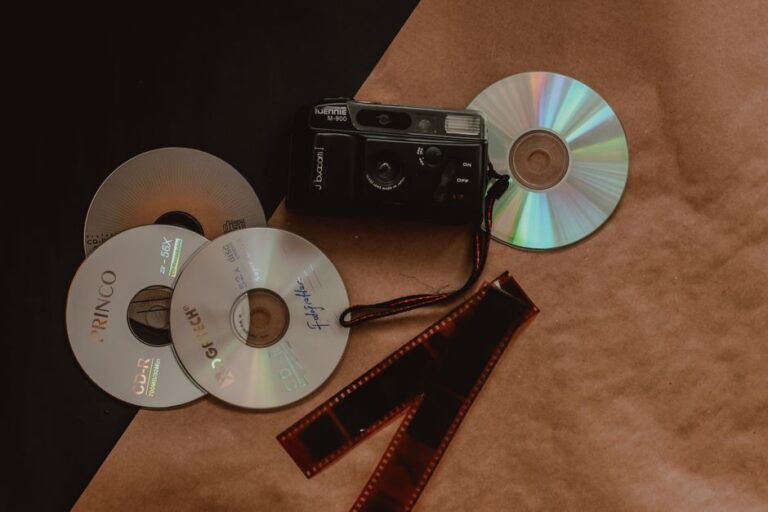
The Last CD I Bought vs. My First Viral Earworm

If you’ve ever wondered whether albums still matter when your For You Page can spin you ten hooks before breakfast, here’s the angle you won’t get in a generic “streaming killed the album” take: the last time I bought a CD wasn’t about audio quality or nostalgia — it was about a ritual and a relationship. And my first “viral” earworm didn’t come from an app at all; it came from an album that took over my world before algorithms knew my name.
The last CD I bought was right after a concert — a band called Dr Scene (as I remember it) at an old bar in my city. I didn’t pick the CD because it had an exclusive track or because streaming failed me. I picked it because I wanted to value the band after their show.
I recall buying the CD because I wanted to Value the band after their show
That’s the part streaming can’t replicate: the micro-economy of a room, a merch table, and a plastic jewel case that says “I was here.” Even if I stream the album later, the CD is a handshake. It’s tangible proof that music isn’t just content — it’s contact.
I don’t buy the hot take that albums are dead and only millennials clutch them like yearbooks. There’s a ritual to consuming music as an album — back to back, in sequence — that feels different from tap-tap-skipping through singles. Is it rational? Maybe not. It feels real.
Listening to an album straight through — or dropping a needle on vinyl — is simply cozier than passively riding a playlist. It’s not about being better; it’s about choosing immersion over interruption. And that choice is still available to anyone, regardless of birth year.
My first earworm moment was the Meteora album by Linkin Park. I got it as a gift for my 10th birthday and devoured it with friends. No platform, no autoplay — just a CD player, a living room, and the thrill of repeating the same tracks on loop.
If “viral” today means a song owning your feed, back then it meant a song owning your weekend. It looped because we pressed replay. It disrupted routines not by popping mid-scroll, but by pulling friends into a shared session that ran longer than we’d planned. That kind of “going viral” was slower, but it stuck.
On a tight budget, streaming clearly wins for access. For the price of a ride share, you get a universe of songs. But the merch table works on a different logic: you’re not just buying audio; you’re investing in a night that moved you. The “value” is part souvenir, part support.
Discovery also splits:
Both lanes have blind spots. Over-rely on algorithms and you might never build the patience for an album’s deep cuts. Over-romanticize physical media and you might miss how many artists you can find online first.
Here’s one practical way to balance album-depth with algorithm hooks without pretending the internet doesn’t run our music lives:
I was born in ’93, work in tech, and I’m fascinated by how younger generations treat music — what they keep, what they remix, what they abandon. I do think recent generations lean heavily on the internet with less real-world rehearsal time, while the cohort that saw life before and after phones might navigate both sides more easily. But when it comes to music? Ritual still matters, and anyone can choose it — whether your first earworm came from a jewel case or a vertical scroll.
